New! DIY Project Planner. Plan smarter, skip the spreadsheets. Start Your Free Trial Today →

Smart DIY & Home Improvement Tips
Smart DIY & Home Improvement Tips
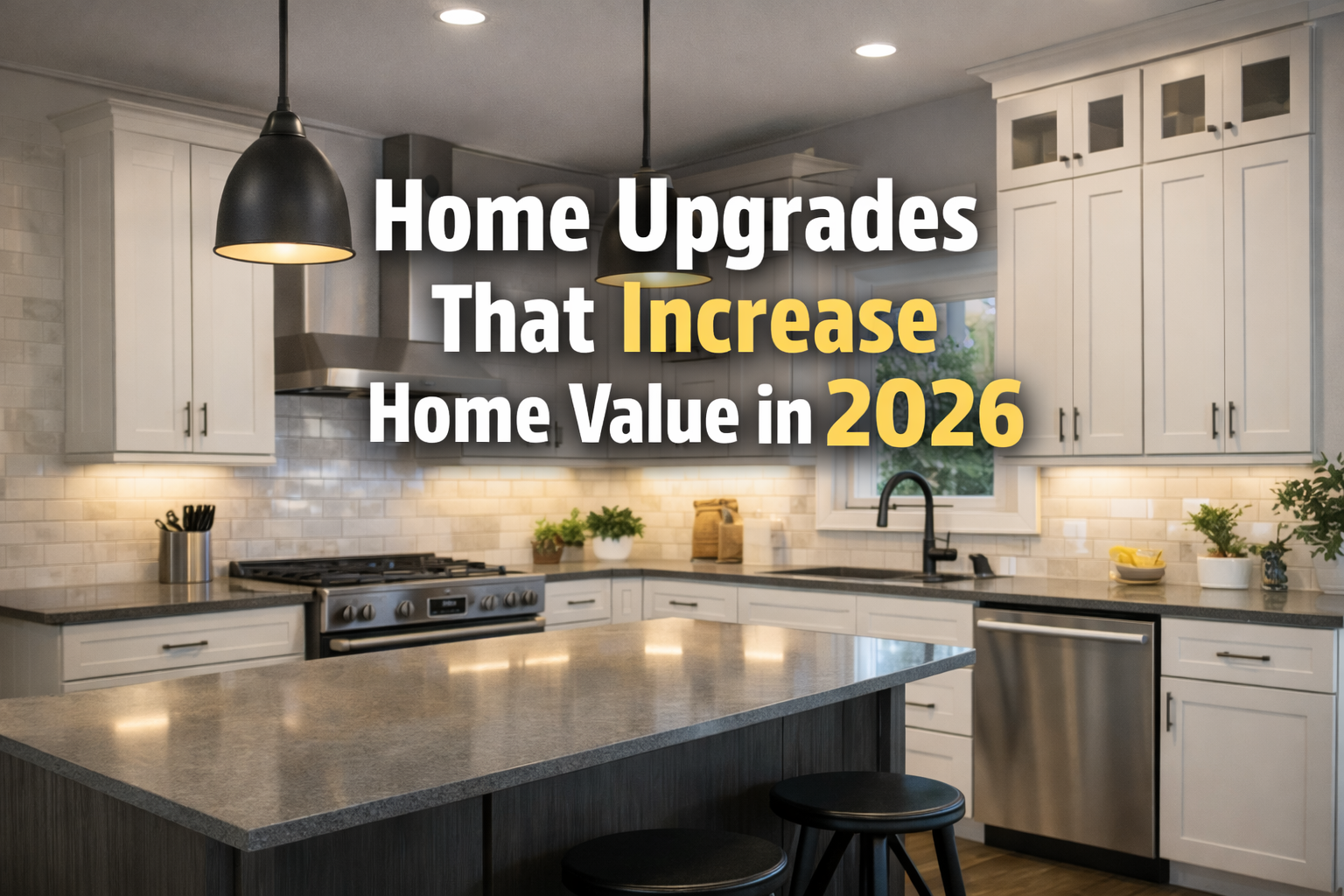
Home upgrades in 2026 are evaluated very differently than they were even a few years ago. Buyers are more informed, more cautious, and far less impressed by flashy renovations that do not solve real problems. Higher interest rates and rising labor costs have made functionality, efficiency, and long-term durability the real drivers of value.
Spending more money does not automatically increase home value. In many cases, the wrong upgrades can actually limit buyer appeal or reduce return on investment.
This guide breaks down the home upgrades that actually increase home value in 2026, explains why they work, and highlights the upgrades that often look expensive but fail to deliver meaningful returns.
Before committing to any upgrade, it helps to define scope, budget, and order of operations. Using a structured system like the DIY Project Planner makes it easier to prioritize improvements that add value instead of guessing as you go.
In 2026, value is created when an upgrade reduces friction for the next homeowner. Buyers are no longer excited by novelty alone. They want homes that feel complete, efficient, and low risk.
Upgrades that consistently increase value:
Upgrades that only serve personal taste or short-term trends often underperform.
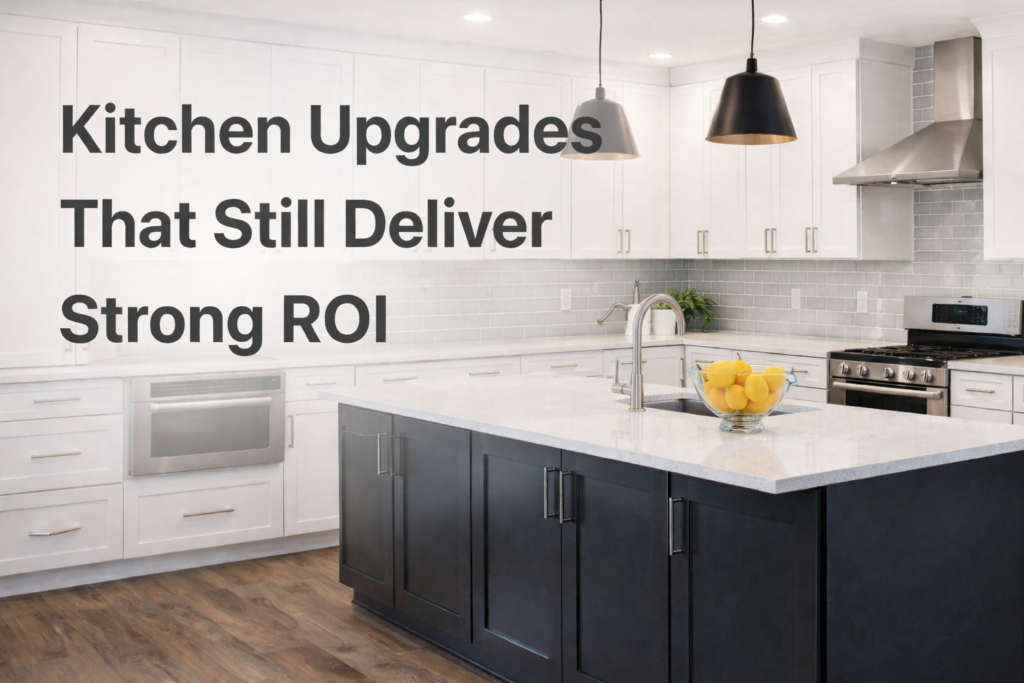
The kitchen remains the most influential room in the home, but full gut remodels rarely produce the best return. Targeted kitchen upgrades continue to outperform full replacements in both perceived value and resale impact.
In most homes, cabinets are structurally sound but visually dated. Replacing them is expensive and usually unnecessary. Painting or refinishing cabinets paired with modern hardware can dramatically modernize a kitchen at a fraction of the cost.
If you are evaluating whether your cabinets are good candidates for refinishing, the cabinet revamp guide walks through surface prep, paint selection, and sequencing so the finish holds up long term.
Cabinet refinishing only adds value if the finish holds up. Buyers can spot rushed paint jobs immediately, and chipped doors or sticky hinges undo the entire upgrade. The difference between cabinets that look refreshed and cabinets that look cheap usually comes down to materials and hardware choices.
A cabinet-specific paint formulated for high-touch surfaces is critical. These paints level better, cure harder, and resist wear far more effectively than standard wall paint. Skipping this step often leads to visible wear within a year, especially around handles and drawer fronts.
Upgrading hinges at the same time is another small change that delivers outsized value. Soft-close hinges improve daily usability and subtly signal quality to buyers, even if they cannot immediately identify why the cabinets feel better.
Finally, cabinet hardware should be treated as a system, not individual pieces. Matching pulls and knobs in a consistent finish like brushed nickel or matte black create visual cohesion and make the entire kitchen feel intentional rather than pieced together.
This is one of the easiest places to overperform on value without increasing scope or budget, especially when cabinets are structurally sound.
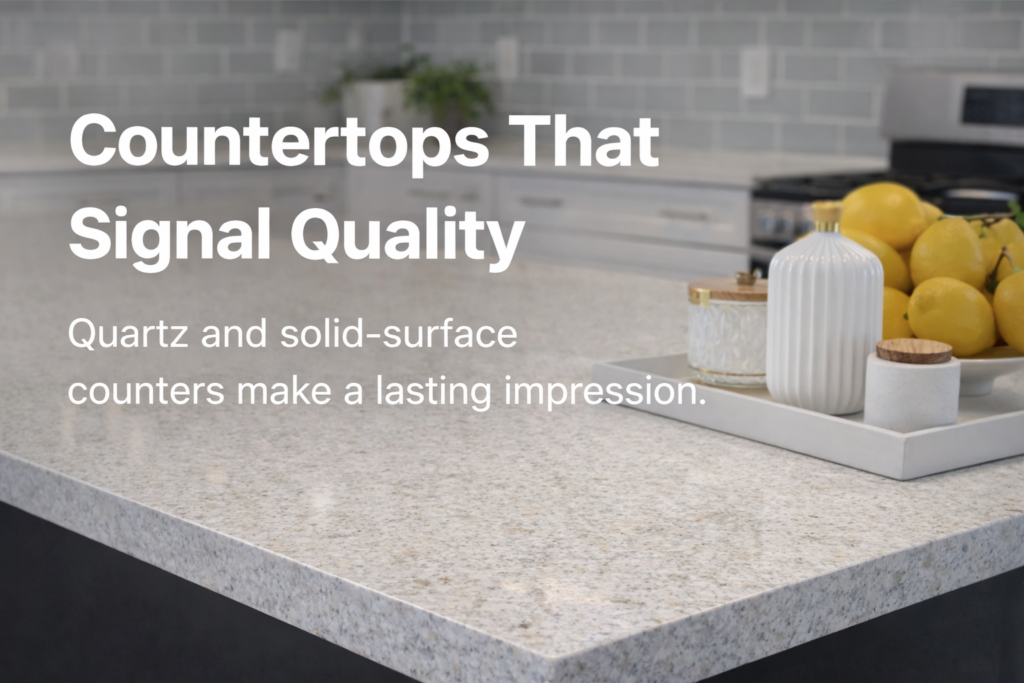
Countertops signal value immediately when buyers enter a kitchen. Quartz and solid-surface materials continue to perform well in 2026, but even resurfacing options can add value when chosen carefully.
The countertop upgrade guide explains which budget-friendly resurfacing methods actually last and which shortcuts buyers notice right away.
Countertop upgrades only add value when they look intentional and hold up under daily use. Buyers can immediately spot peeling coatings, uneven texture, or dull finishes, and those issues raise red flags about overall maintenance.
For laminate or worn solid-surface counters, resurfacing can be a smart value move, but only when the system is designed for countertops specifically. Durable resurfacing systems cure harder, resist moisture, and maintain a consistent finish far longer than general-purpose coatings. Using the wrong product is one of the fastest ways to turn a value upgrade into a liability.
Surface preparation is just as important as the finish itself. A quality random orbital sander allows for even abrasion without gouging, which is critical for adhesion and long-term durability. Skipping proper prep is the most common reason resurfaced countertops fail prematurely.
Finishing tools matter as well. Polishing pads designed for solid-surface materials help achieve a uniform sheen that mimics factory finishes, rather than the patchy look that often comes from improvised methods.
When countertop updates are executed with the right materials and preparation, they can significantly improve perceived value without the cost and disruption of full replacement.
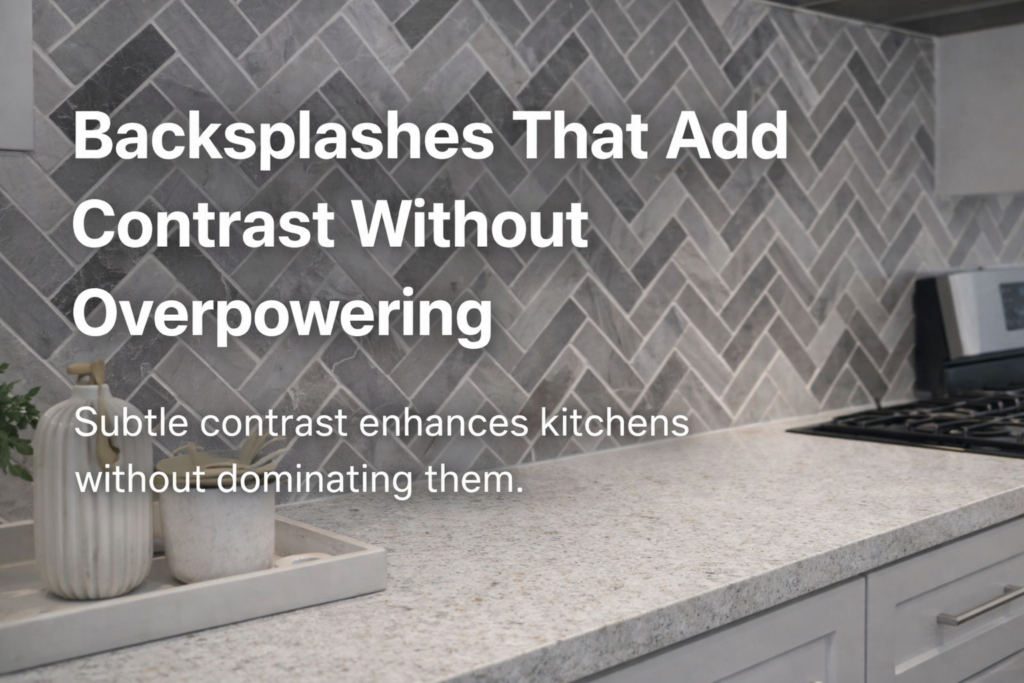
A backsplash should enhance a kitchen without dominating it. In 2026, buyers respond best to clean, neutral tile installed correctly rather than bold patterns that limit appeal.
The DIY backsplash installation guide covers layout, spacing, and material selection so the finished product looks intentional instead of rushed.
Backsplashes add value only when the installation looks precise. Uneven cuts, inconsistent grout lines, or tiles that drift out of level are immediately visible and undermine the entire kitchen upgrade.
Clean cuts are the foundation of a professional-looking backsplash. A reliable manual tile cutter with consistent scoring allows for straight breaks without chipping, which is especially important with ceramic and porcelain tile. Poor cuts lead to wide grout joints and awkward edge pieces that buyers notice right away.
Spacing is equally important. Consistent grout lines create visual order and make even simple tile patterns feel intentional. Proper tile spacers prevent gradual drift across a wall, which is one of the most common DIY mistakes in backsplash installations.
Leveling systems matter more than most homeowners expect. Professional-grade tile levels keep courses straight and flat, preventing lippage where tile edges sit unevenly. Even small variations in height can catch light and draw attention for the wrong reasons.
When backsplash tools are chosen with precision in mind, the finished result feels permanent and high quality rather than temporary or rushed.
When cabinets, countertops, and backsplash upgrades are layered together thoughtfully, they often outperform full remodels in perceived value. This approach is broken down step by step in budget kitchen upgrades that look custom.
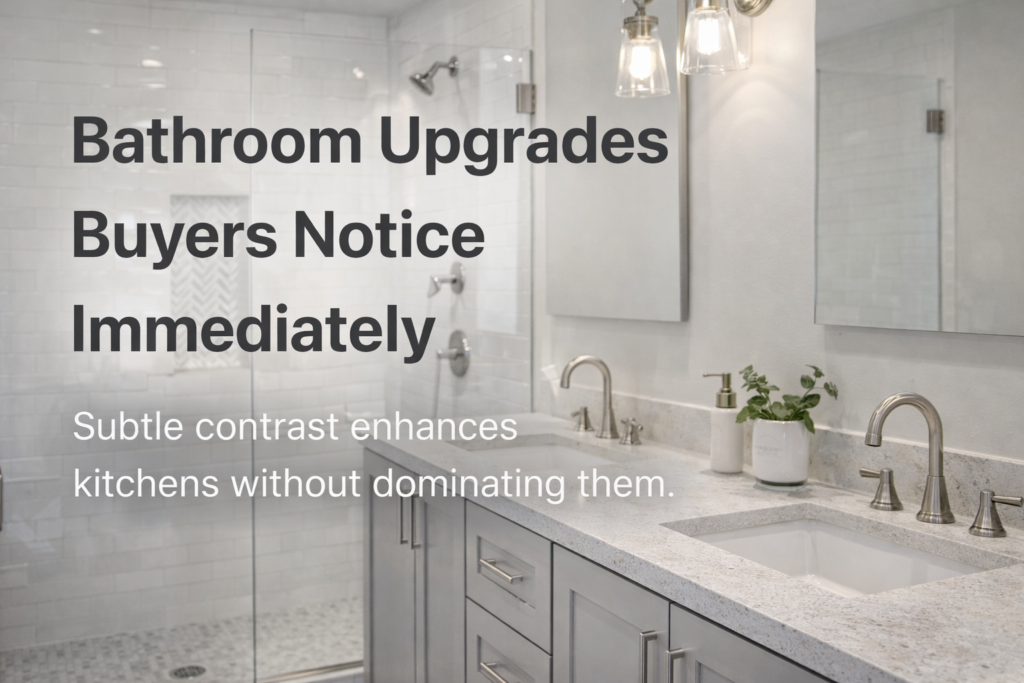
Bathrooms influence value through cleanliness, lighting, and function more than size or luxury finishes.
Updated vanity lighting and properly sized mirrors dramatically improve how bathrooms feel. Bright, even lighting makes small bathrooms feel larger and cleaner, which buyers respond to immediately.
Bathrooms feel either clean and intentional or cramped and dated, and lighting is usually the deciding factor. Buyers subconsciously judge bathroom quality based on how clearly they can see themselves and how evenly the space is lit.
Vanity lighting with a neutral color temperature creates accurate skin tones and reduces harsh shadows. This makes the space feel brighter without feeling clinical. Poor lighting, especially overly warm or uneven fixtures, can make even a renovated bathroom feel tired.
Mirror selection matters just as much. Fog-resistant mirrors improve daily usability and quietly signal quality to buyers. A mirror that stays clear during showers feels like a small luxury, even if the buyer cannot immediately explain why the bathroom feels better.
Together, properly scaled lighting and functional mirrors do more to elevate a bathroom than expensive tile or specialty fixtures. These upgrades are relatively low cost, easy to execute, and consistently noticed during showings.
Buyers notice fixture quality the moment they touch it. Replacing outdated faucets and shower hardware creates an immediate perception of quality with minimal investment.
Buyers interact with bathroom fixtures immediately. A faucet that feels loose, stiff, or uneven creates doubt about the entire renovation, even if everything looks new. Fixture quality influences trust more than aesthetics.
Mid-range faucets with ceramic valves tend to deliver the best balance of longevity and cost. Ceramic valves resist wear far better than plastic or rubber components and maintain smooth operation over time. This reduces the likelihood of drips, leaks, and early replacements, which buyers factor into their perception of maintenance.
Shower trim should match the faucet both visually and mechanically. Consistent finishes and compatible internal components create a cohesive look and reduce long-term service issues. Trim kits from established brands are easier to service and replace in the future, which adds quiet but meaningful value.
Well-chosen fixtures do not need to be expensive to feel premium. They simply need to operate smoothly, feel solid, and look intentional throughout the space.
Highly personalized tile patterns and niche finishes tend to reduce buyer appeal. Neutral, timeless selections consistently perform better for resale.
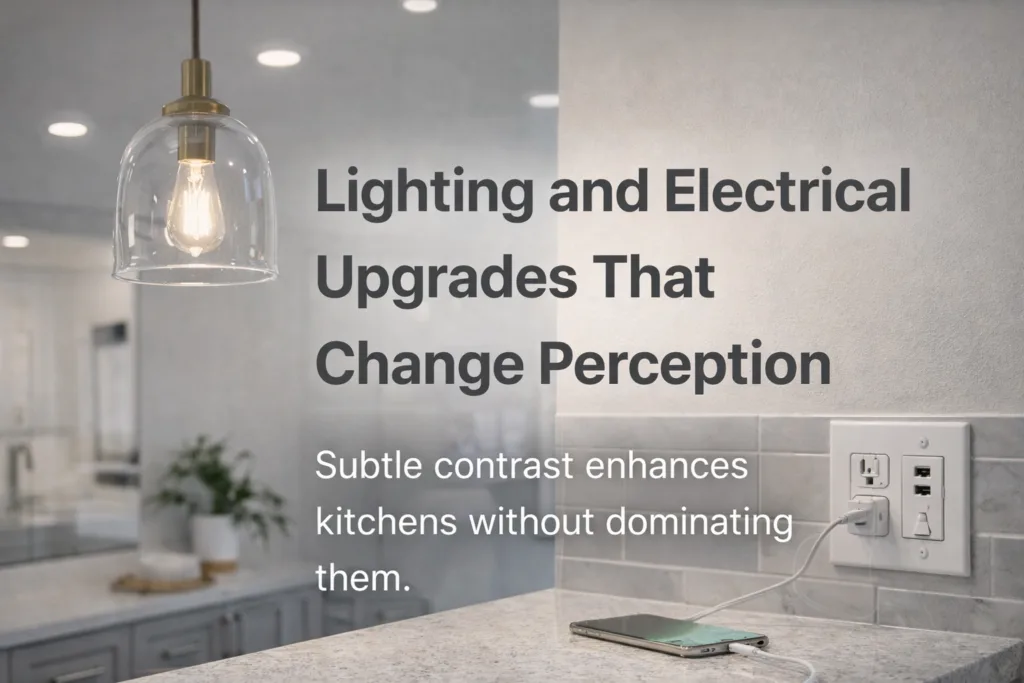
Lighting remains one of the most underrated value drivers in 2026. Homes with poor lighting feel dated regardless of how much money has been spent elsewhere.
Replacing builder-grade fixtures, adding under-cabinet lighting, and installing dimmers can dramatically change how a home feels.
Before tackling electrical upgrades, DIY electrical tools you actually need explains which tools are essential for safety and proper execution.
Lighting upgrades add value only when they are done safely and correctly. Sloppy electrical work creates serious risk and immediately raises red flags for buyers and inspectors alike.
A non-contact voltage tester is the first line of defense on any electrical project. It allows you to confirm circuits are de-energized before touching wiring, reducing the risk of injury and preventing costly mistakes. Skipping this step is one of the most common and dangerous DIY errors.
Insulated screwdrivers provide an added layer of protection when working inside electrical boxes or around live components. Even when power is shut off, insulation reduces risk during troubleshooting or unexpected contact.
Proper wire strippers are equally important. Tools rated for residential wiring remove insulation cleanly without nicking conductors. Damaged wires lead to poor connections, overheating, and future failures that buyers and inspectors will catch.
Using the right electrical safety tools is not about overkill. It is about ensuring that value-adding upgrades do not become hidden liabilities.
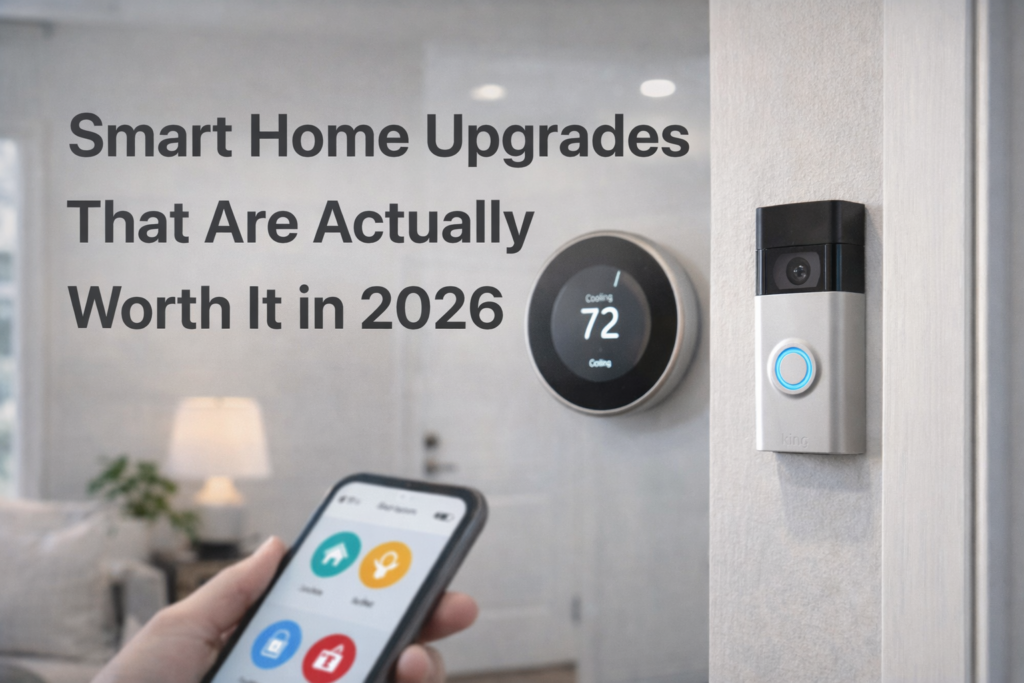
Smart home upgrades still influence buyer perception, but only when they are intuitive and easy to reset for a new owner.
Smart upgrades that continue to add value:
Overly complex systems that rely on subscriptions or proprietary hubs often become liabilities.
A deeper breakdown of which technology makes sense can be found in smart home upgrades worth it in 2026.
Smart home features add value in 2026 only when they feel simple, stable, and easy to take over. Buyers are far less interested in advanced automation than they are in technology that works immediately without setup headaches.
Smart thermostats perform well because they deliver obvious savings and intuitive control. Systems with straightforward apps and physical controls tend to age better and feel less intimidating to new homeowners. Buyers respond positively when they can see lower utility costs without learning a new system.
Security upgrades also matter, but flexibility is key. Video doorbells that offer local storage or easy subscription opt-outs reduce friction for buyers who do not want ongoing fees. A system that can be reset quickly without customer service calls feels like an asset instead of a burden.
Lighting upgrades are another quiet value driver. Smart light switches that function without hubs or complex integrations are preferred because they behave like normal switches while offering added control. This balance of familiarity and convenience is what makes smart lighting appealing rather than overwhelming.
Smart home upgrades should make a home feel more efficient and secure, not more complicated. When technology fades into the background, it adds value.
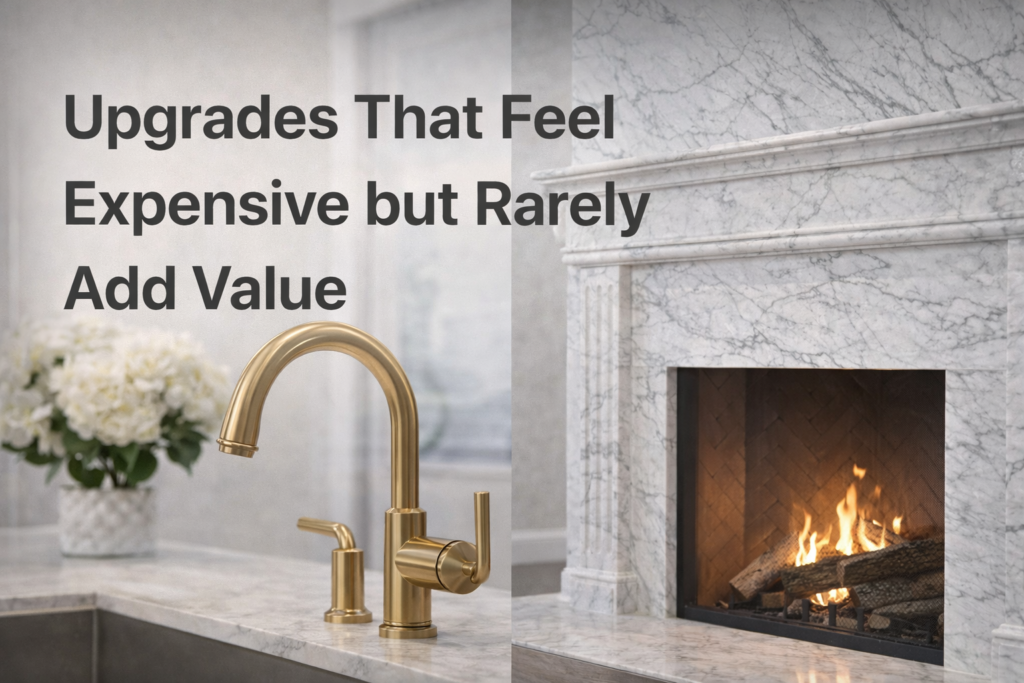
Some upgrades continue to underperform despite their cost.
Common examples include:
These upgrades may improve enjoyment for the current homeowner but rarely translate into higher offers or faster sales.
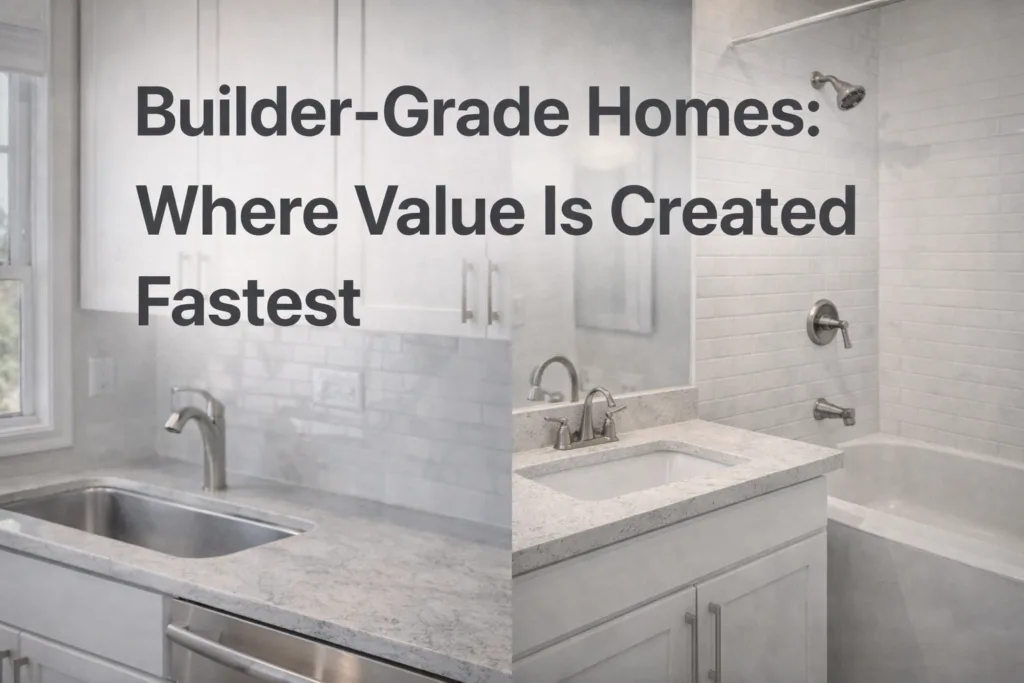
In newer homes, value is created by correcting the generic builder-grade feel rather than changing layouts.
Lighting replacements, cabinet hardware upgrades, paint contrast, and trim details often deliver the biggest return for the least investment.
How to modernize a builder-grade home outlines which upgrades provide the most impact without overinvesting.
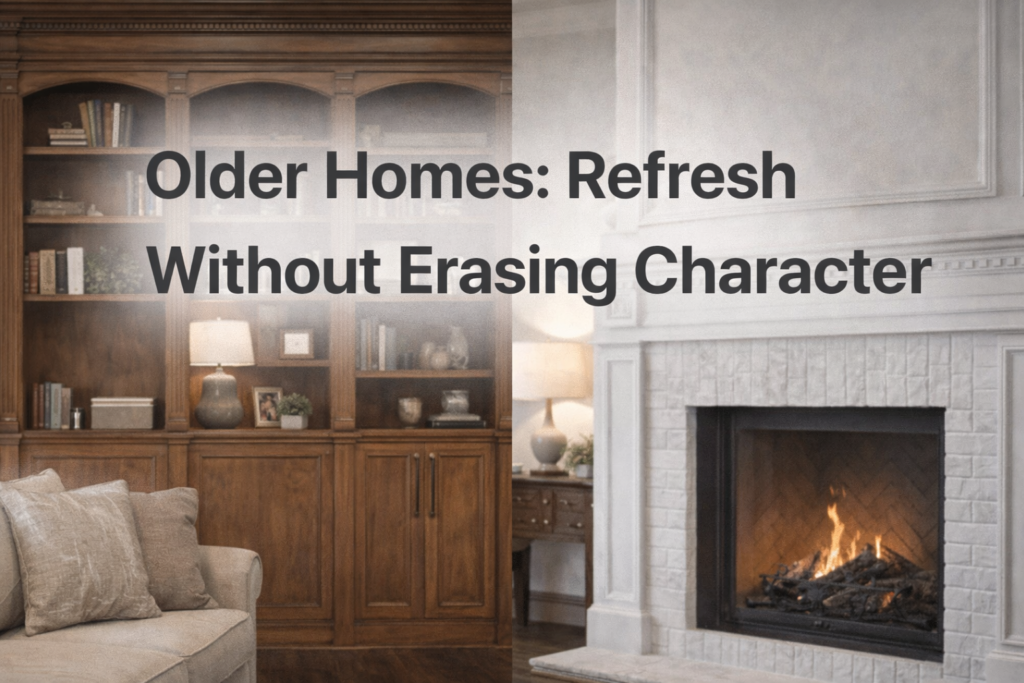
Older homes benefit from a similar strategy with more emphasis on preserving character.
Make an old house feel new explains how to update finishes, lighting, and layouts while keeping what makes older homes appealing.
Many homeowners lose value not because they chose the wrong upgrade, but because they executed it poorly.
Poor sequencing, rushed purchases, and incomplete scope planning lead to cost overruns and compromised results.
Using the DIY Project Planner helps homeowners:
Planning turns upgrades from guesses into controlled investments.
In 2026, home value is created through intention, not excess. The upgrades that increase value are the ones that improve function, reduce friction, and make a home feel complete.
Focus on kitchens, bathrooms, lighting, and smart efficiency. Avoid over-customization. Plan before you build.