New! DIY Project Planner. Plan smarter, skip the spreadsheets. Start Your Free Trial Today →

Smart DIY & Home Improvement Tips
Smart DIY & Home Improvement Tips
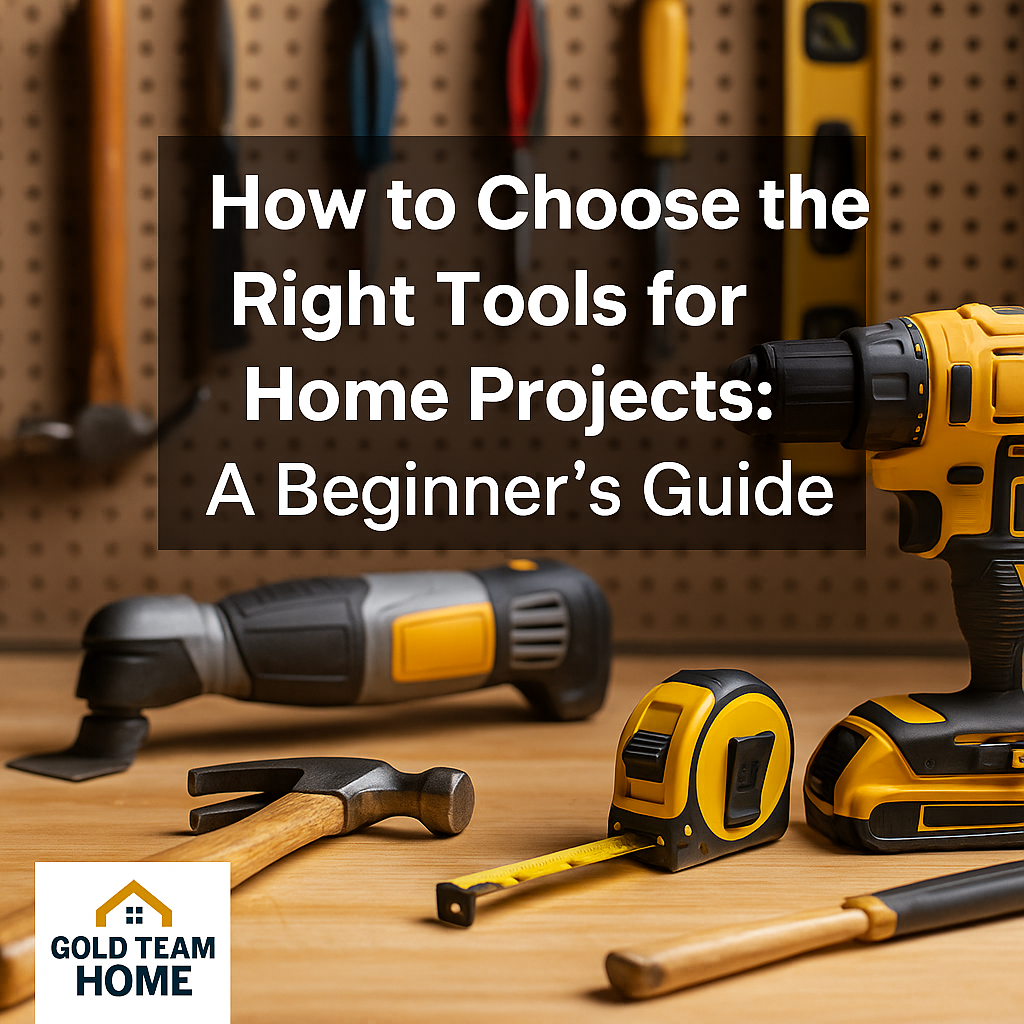
Most beginners struggle with home projects because they do not start with the essential DIY tools that make the work easier, safer, and more accurate. Learning how to choose the right tools is one of the fastest ways to improve your confidence and the quality of your results.
Choosing the right tools for home projects is the foundation of a smooth, successful DIY experience. When you match the tool to the task, everything becomes faster, easier, and safer. When you do not, even simple projects feel impossible.
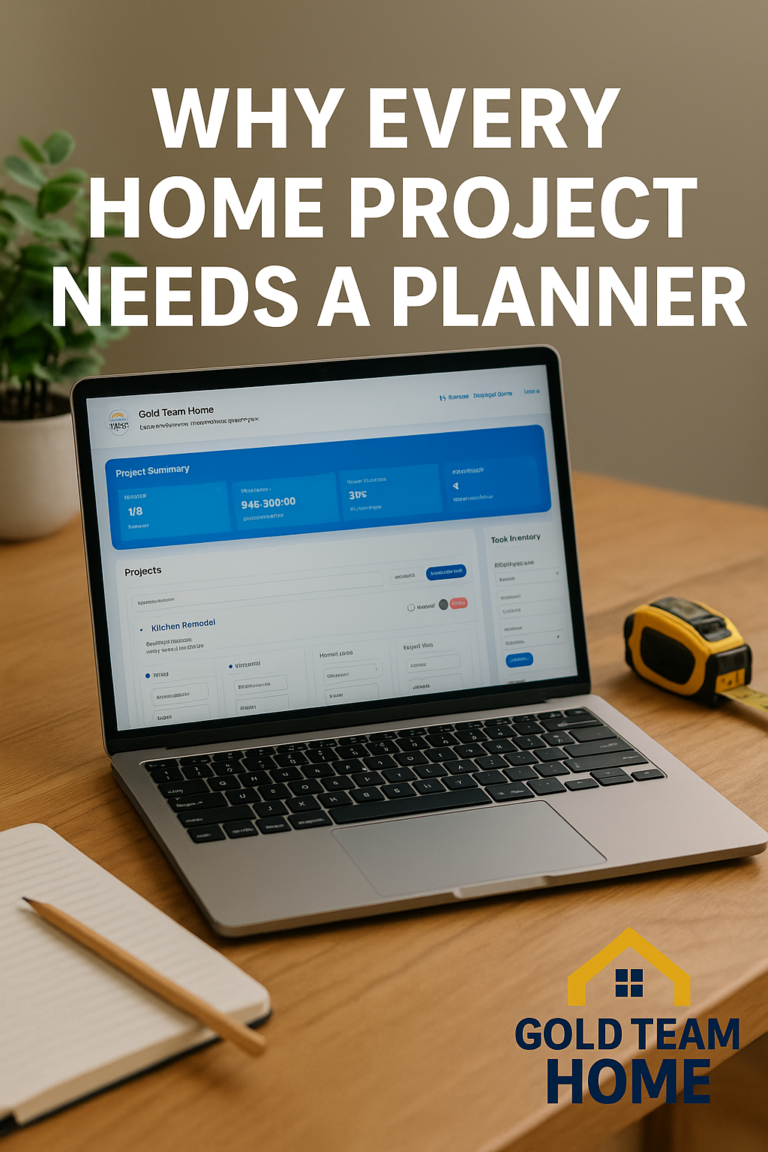
Before you start building your tool kit, open the DIY Project Planner and outline your next few projects. Planning your projects first will show you exactly which tools you need and which ones you can skip.
This guide will walk you through the tools beginners actually need, how to evaluate quality, how to build your first tool kit without overspending, and how to avoid common mistakes.
Here is a summary of the tool categories every homeowner eventually needs:
Each of these categories solves a different problem. As you learn which tools match which tasks, your confidence increases and your projects become easier.
Most beginners make the same mistake. They buy tools before they understand the work. Instead, reverse the order. Focus on the project first, then the tool.
For example:
If you want guidance on specific projects, explore foundational GTH guides such as the Cabinet Revamp Guide, Backsplash Installation Guide, and Countertop Revamp Guide, all of which include beginner friendly tool breakdowns.
Figuring out the project first prevents two major beginner mistakes. You avoid buying tools you never use, and you avoid cheap tools that fail halfway through the job.
Every homeowner should start with a core set of reliable tools. These are the tools you will reach for during almost every project.
Accurate measurements are the difference between success and rework.
The ability to shape materials extends what you can build.
Drilling and fastening appear in almost every home project.
See the detailed breakdown in Best Cordless Tools for Homeowners, which covers batteries, platforms, and starter kits.
Electrical work requires caution and the right tools.
Before you begin electrical projects, read DIY Electrical Tools You Actually Need to understand safety and proper handling.
Most home upgrades involve paint.
For guidance on painting technique, see How to Paint Like a Pro.
Safety must be part of your toolkit.
Not all tools are created equal. Here are the signs of a tool worth buying:
Buy budget friendly versions of:
Spend more on:
Buying quality tools reduces frustration and makes your work cleaner and safer.
Cordless tools are the backbone of modern home improvement. They give you mobility, power, and efficiency, but only when bought strategically.
Milwaukee, DeWalt, Makita, and Ryobi each offer complete tool ecosystems. Once you buy into one platform, your batteries become interchangeable across dozens of tools.
This matters because batteries are the most expensive part of a cordless setup.
See the full breakdown in Best Cordless Tools for Homeowners, which explains which platform fits which type of user.
Start with:
Avoid large combo kits that include specialty tools you will never use. They look like a deal, but most of the tools end up collecting dust.
Start small. Build as you grow. Here is the recommended sequence:
Tool rental prevents clutter and saves beginners hundreds of dollars.
Safety is part of tool selection. Follow these principles:
Safe work is efficient work.
A tool collection grows naturally when projects are planned. The DIY Project Planner shows you:
This prevents you from buying unnecessary tools or starting a project without the correct equipment.
Choosing the right tools is a skill that grows with experience. Start with the basics, buy quality where it matters, and allow your projects to guide the tools you buy next. A thoughtful approach saves money, improves results, and increases confidence.
If you want a system that organizes your projects, budget, and tool needs, start with the DIY Project Planner.
It is the easiest way to plan home projects without stress.