New! DIY Project Planner. Plan smarter, skip the spreadsheets. Start Your Free Trial Today →

Smart DIY & Home Improvement Tips
Smart DIY & Home Improvement Tips

Most expensive DIY mistakes are not caused by bad workmanship. They happen long before a tool is turned on. Homeowners overspend, stall projects, or redo work because they skip planning, underestimate complexity, or buy the wrong materials at the wrong time.
These mistakes are incredibly common, especially for beginners, but they are also preventable. This guide breaks down the most costly DIY mistakes homeowners make, why they happen, and what to do instead so your projects stay on budget and actually get finished.
If you want to avoid most of these problems altogether, start by mapping your project inside the DIY Project Planner. Planning scope, tools, materials, and timing upfront removes the guesswork that causes budget overruns.
DIY projects rarely fail because the homeowner is incapable. They fail because expectations are vague. When you do not define the scope, order of operations, or full material list, the project grows unpredictably.
What starts as a simple upgrade often turns into multiple trips to the store, rushed decisions, and compromised quality. Every mistake below stems from that same root problem.
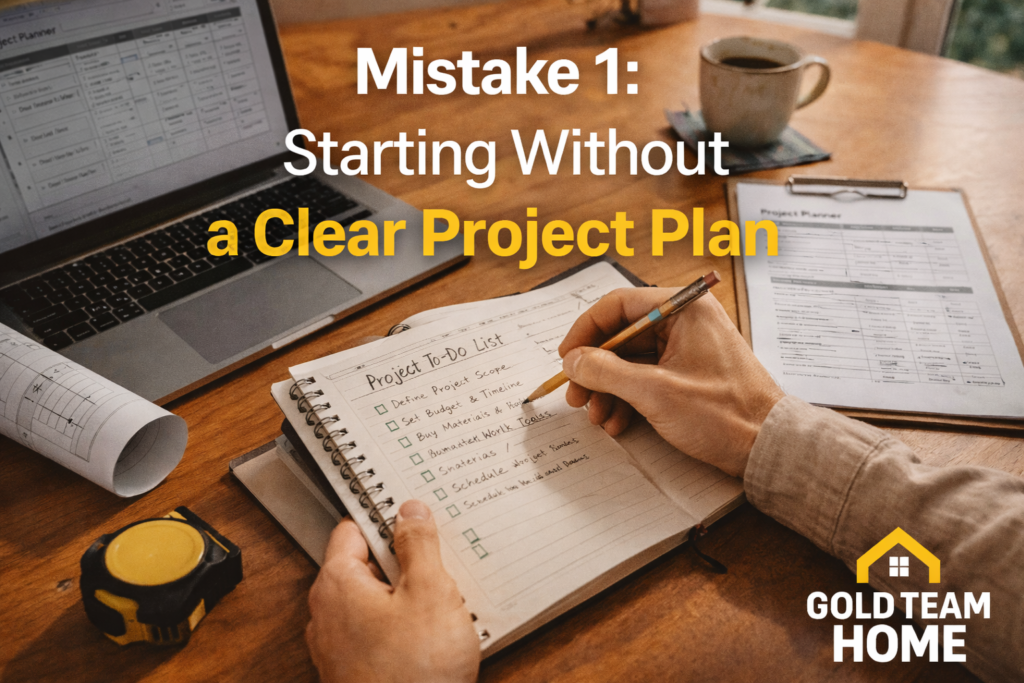
The most expensive DIY mistake is starting without a plan. Homeowners often begin with a rough idea but no defined steps, no timeline, and no realistic budget. This leads to delays, rushed purchases, and incomplete work.
A project plan forces you to answer critical questions before you start:
This is where the DIY Project Planner becomes invaluable. It helps you define scope, track costs, and sequence tasks so nothing is missed.
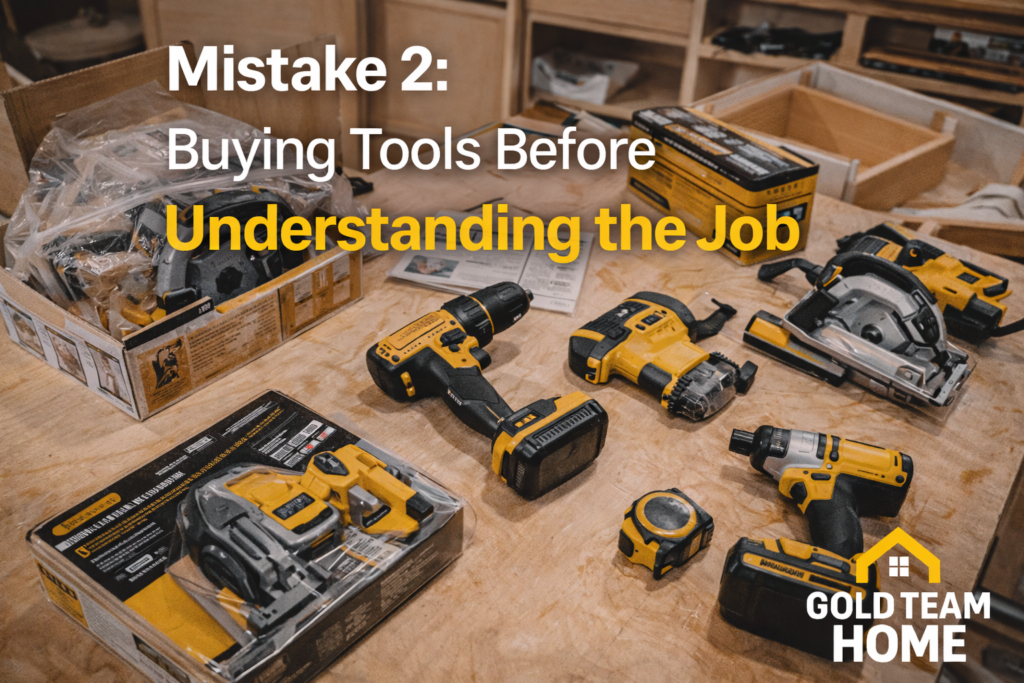
Another common mistake is buying tools first and figuring out the project later. This often leads to unnecessary purchases or tools that are underpowered or poorly suited for the task.
For example, backsplash installation requires precision tools like levels, spacers, and proper cutting tools. Cabinet painting requires sanding equipment, quality brushes, and prep tools. Electrical upgrades require safety testers and insulated tools.
If you are unsure what tools you actually need, review How to Choose the Right Tools for Home Projects, which explains how to match tools to tasks instead of marketing hype.
You can also explore Best Cordless Tools for Homeowners to understand battery platforms and which tools are actually worth owning.
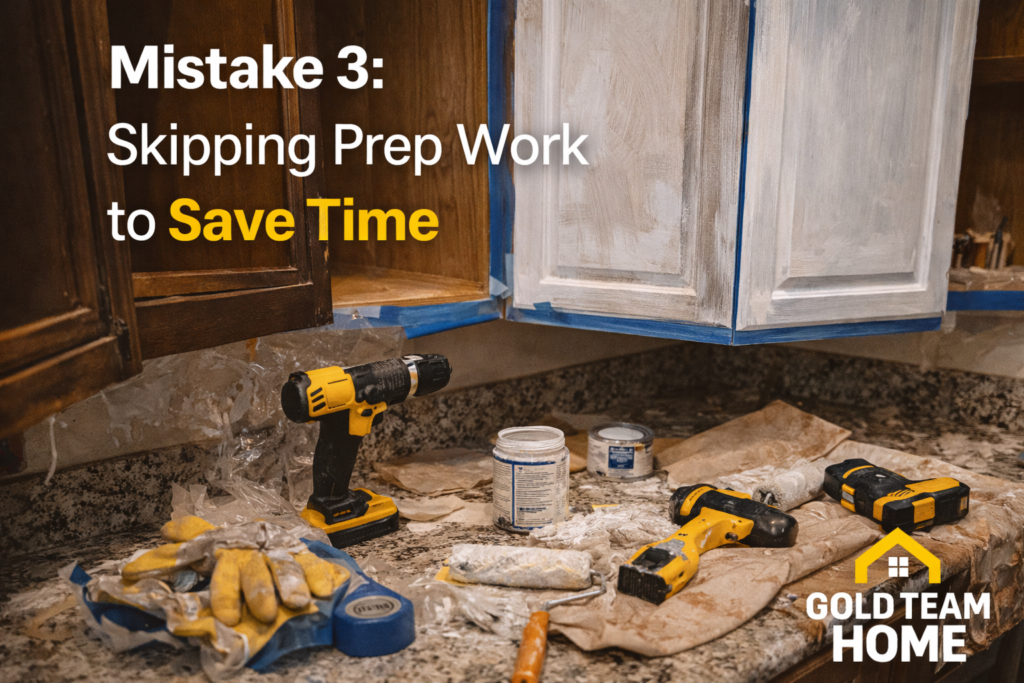
Skipping prep feels like a shortcut, but it almost always creates rework. Poor prep leads to paint failure, uneven finishes, loose installations, and shortened lifespan of materials.
Cabinet projects are a perfect example. Skipping sanding or cleaning results in peeling paint and wasted effort. If you are planning a cabinet update, follow the full process outlined in the Cabinet Revamp Guide to avoid having to redo the entire job.
Prep is not optional. It is the foundation of quality.
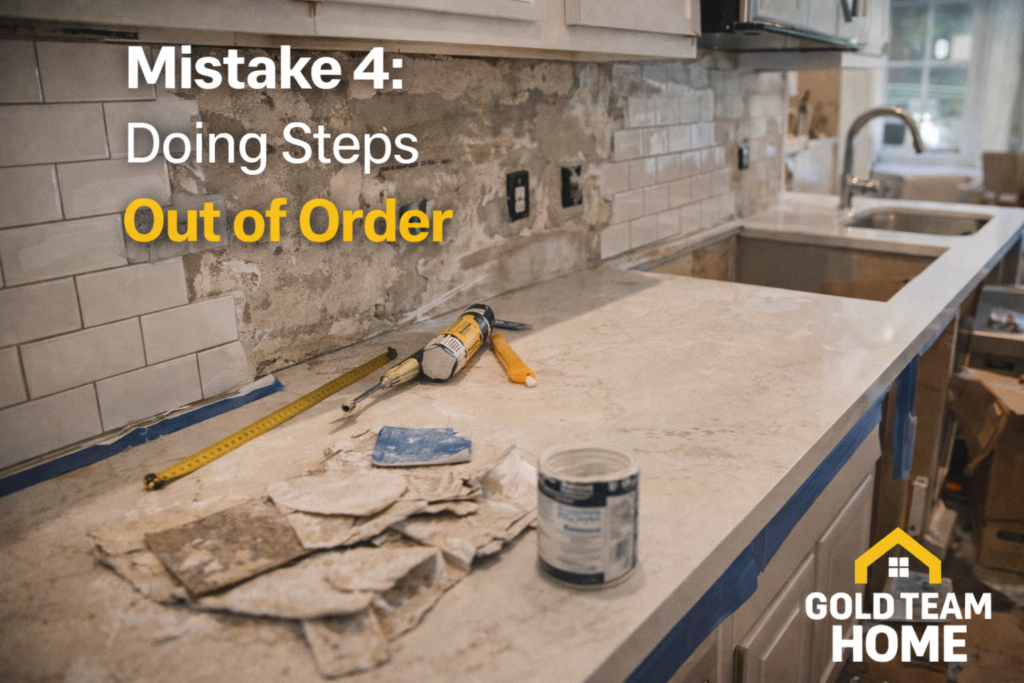
Order matters in home improvement. Doing things out of sequence causes damage, inefficiency, and wasted materials.
Common examples include:
If you are planning tile work, the Backsplash Installation Guide explains correct sequencing and spacing so your work does not have to be removed later.
When projects are planned inside a system like the Project Planner, task order becomes obvious and mistakes like this disappear.

Most homeowners underestimate how long projects take. This leads to rushed work, fatigue, and mistakes. Time pressure is one of the biggest quality killers in DIY.
A weekend project often becomes a multi-week disruption because steps were not thought through. Planning realistic timelines and breaking work into phases prevents burnout and abandoned projects.
For larger upgrades, especially kitchens, review Budget Kitchen Upgrades That Look Custom to see how phased improvements reduce overwhelm and cost.
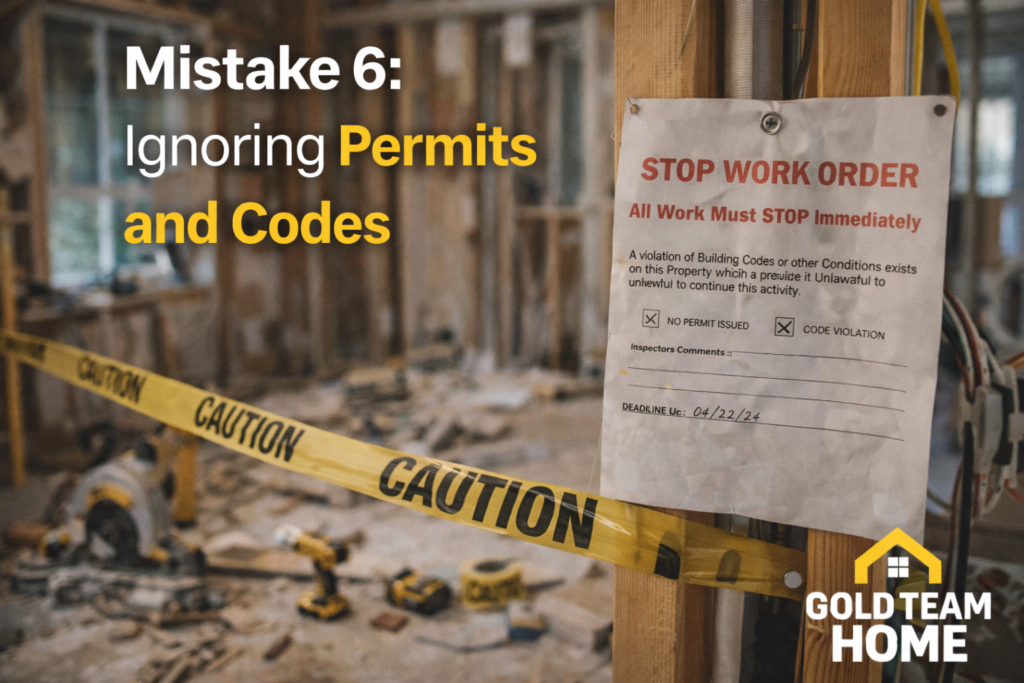
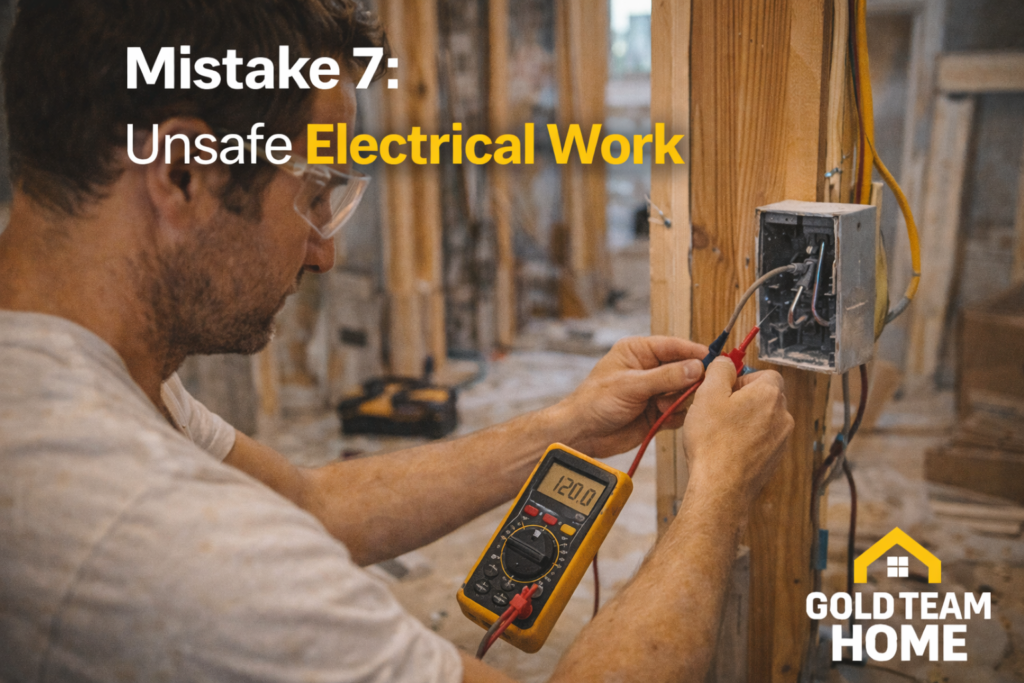
Safety mistakes are costly in ways that go beyond money. Electrical errors, improper tool use, and ignoring basic PPE can result in injury or failed inspections.
Even simple electrical upgrades require proper testing tools and shutoff procedures. Before doing electrical work, review DIY Electrical Tools You Actually Need so you understand what is required to work safely.
If you are unsure about local code requirements, consult official resources like your local building department or Home Depot’s tool safety guides.
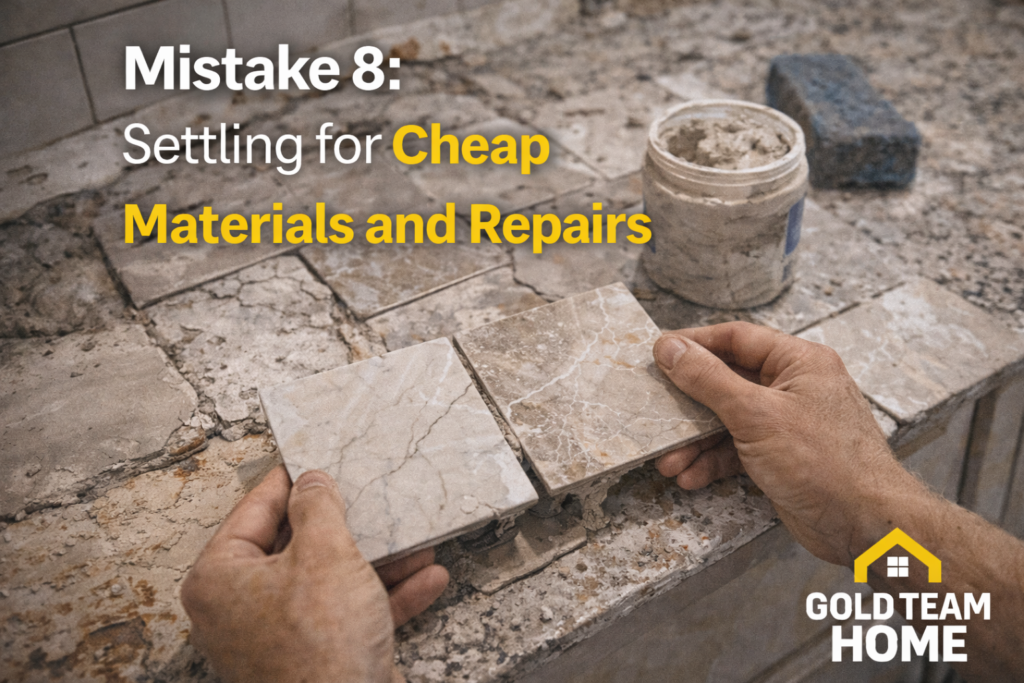
Not all savings are real savings. Cheap materials often fail early, require replacement, or compromise the finished look of the project.
This is especially true for surfaces like countertops. If you are considering resurfacing or refinishing, the Countertop Revamp Guide explains which budget options actually hold up and which ones should be avoided.
Choose materials based on durability and application, not just price.
Attempting too many upgrades at once leads to cluttered workspaces, confusion, and unfinished tasks. Large projects should be broken into manageable phases.
If your goal is to modernize your home gradually, follow the strategy outlined in How to Modernize a Builder Grade Home. This approach prioritizes upgrades that deliver the biggest visual impact first.
For older homes, Make an Old House Feel New explains how layering improvements over time prevents overwhelm.
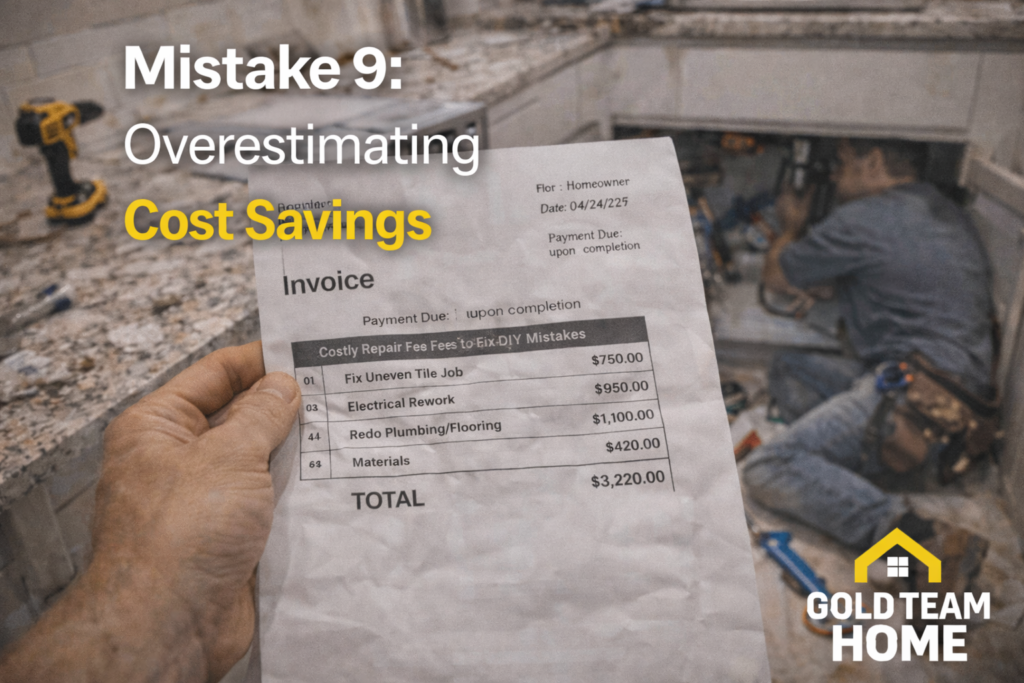
Many homeowners blow their budget simply because they stop tracking spending. Small purchases add up quickly, especially when tools, materials, and replacements are involved.
A planner that tracks costs in real time helps you make smarter decisions before it is too late. This is one of the biggest advantages of using the DIY Project Planner instead of mental math or scraps of paper.

Every mistake in this article shares one solution: planning. When you define scope, tools, order, and budget upfront, mistakes become obvious before they happen.
The DIY Project Planner exists to solve these exact problems. It helps homeowners:
Using a planner is not about being rigid. It is about being prepared.
DIY projects do not fail because homeowners lack skill. They fail because details are overlooked early. By learning from these common mistakes and using the right planning tools, you can complete projects faster, safer, and with better results.
Before you start your next project, open the DIY Project Planner and map it out. The few minutes you spend planning can save hundreds of dollars and weeks of frustration.